
Welcome to The New Leader, where I write without a filter about leadership, the broken hiring system, career reinvention, and what it actually costs to keep showing up.
I write about the part nobody briefs you on. The politics, the tradeoffs, the things leaders don't say out loud. Leadership isn't a gift or a title. It's just people trying to figure it out and not quitting when it gets hard.
That's the new leader. And it's all of us.
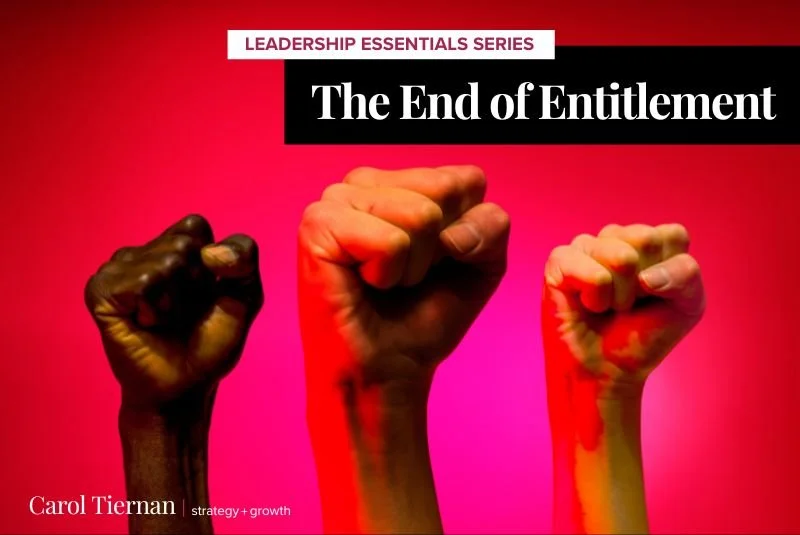





Everything, all at once
Marketing is expected to be strategic and responsive at the same time, which in practice often turns into everything everywhere all at once. When priorities aren't clear and tradeoffs aren't owned, the work expands, the team stays busy, and real impact gets harder to achieve.

The problem with marketing
Most companies say marketing is critical. Very few can consistently define what it actually is. When leaders don't define a function clearly, they don't just create confusion—they create instability. Here's why marketing keeps getting this treatment, and what it costs.
Why change fails
Companies talk about transformation constantly. They use the right language, hire for it, frame it as strategy. But when the work starts exposing how the organization actually operates—who owns what, where the handoffs break—you find out quickly whether the mandate was real.
No growth without change
Most companies aren't hiring for marketing leaders right now. They're hiring for the appearance of one. They want performance without authority, outcomes without decisions, and transformation without discomfort. This post names the paradox—and what to do if you're in it.

Leadership Essentials: Authenticity
At 29, I was diagnosed with ovarian cancer in the middle of a major career transition. It was a hard reset that ultimately taught me the most important lessons of my leadership life—about empathy, self-worth, and the courage to bring your whole self to work.

Foundations founders forget
Speed is a founder's greatest asset and greatest liability. When pressure takes over, marketing becomes reactive—producing whatever the business asks for, without the strategy, systems, or authority to connect that work to revenue. Here's what gets missed, and what to build instead.

How to kill a brand in X steps
Twitter used to be the global town square. Now it's a lesson in what happens when you discard the values that built your brand. Every decision Musk made with X has a business parallel—and every leader should study what went wrong.
Clarity is not just a communication skill. It is a leadership responsibility. Leaders who do not create clarity cannot expect alignment, focus, or consistent results. They can only expect more noise.